
All ESG/SRI articles – Page 6
-
 Podcast
Electrification and AI turbocharge clean energy outlook
Clean energy started 2026 strongly as the investment theme rides the bullish sentiment around power demand, expanding electrification and the build-out of the digital ecosystem. The growing appetite for clean energy has also shone the spotlight on companies that own and operate essential and critical infrastructure such as AI datacentres.
-
 Blog
BlogImpact investing must move faster
Last year really tested the impact investment market. Anti-ESG rhetoric grew louder, geopolitics became more volatile and capital more cautious. But stress has a way of clarifying priorities. Instead of retreating, we sharpened our strategy and focus, and the result was telling: a continued and growing interest in our solutions. The message is clear: serious investors have not abandoned impact.
-
 White papers
Responsible Investment Views 2026
“Responsible investment is moving from aspiration to execution. Expectations for stewardship, especially in Europe, continue to intensify, and there is a growing emphasis on directing capital toward climate solutions that deliver measurable, real world impact.”
-
 White papers
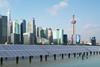
China State of Decarbonization & Sustainable Finance Overview
China’s energy transition and sustainable finance ecosystem is vast and multifaceted, with meaningful implications for both generalists and sustainability-focused investors. This report provides key indicators and investment insights to help track and interpret that evolution over time.
-
 Interview
“Impact is not confined to private markets”
Impact investing is gaining ground in the equity markets. Henk Jonker, Head of Research Impact Equities and Bonds at Triodos Investment Management, explains what lies behind this rise and why this form of investment calls for people who look beyond the numbe
-
 White papers
The future of health care: Medtech’s innovation hotspots
Chronic disease is on the rise and populations are ageing. Innovative medical technology (medtech) that helps address some of the resulting challenges to health and well-being offers significant growth potential.
-
 White papers
2024-2025 Private equity impact report: Accelerating solutions for a world in transition
Climate change and inequality remain deeply interconnected challenges. At Nuveen Private Equity Impact, we’re backing growth-oriented, lower-middle market companies driving an inclusive transition to a low-carbon economy, where impact and performance are directly aligned. Explore our latest report for insights on new investments across energy efficiency and circular economy solutions, enhanced ESG measurement, industry partnerships, and portfolio case studies showcasing real-world impact.
-
 White papers
ESG Thema #22 - Closing the gender gap in credit investing
Persistent gender disparities in economic opportunity and access to finance continue to constrain global growth and resilience – particularly in emerging markets, where institutional barriers remain deeply entrenched. According to the World Bank’s 2024 “Women, Business and the Law” report, eliminating discriminatory laws and practices that hinder women’s participation in the workforce could increase global GDP by over 20%, effectively doubling the global growth rate over the next decade. Reducing gender employment gaps could raise GDP per capita by an average of 35%, with productivity gains from workplace diversity contributing over half that value.
-
 White papers
Catalyzing capital for gender equality: A guide to scaling gender-inclusive investing
Gender lens investing has traditionally focused on use-of-proceeds instruments such as social and sustainability bonds that earmark a portion of proceeds for gender-focused initiatives. These predominantly corporate-issued instruments, though still a small share of the overall market, have grown steadily in recent years - from roughly USD 5 billion outstanding in 2020 to nearly USD 15 billion by the end of 2023. They play a critical role in catalyzing awareness, innovation, and market credibility, with built-in accountability and transparency mechanisms that remain central to advancing gender-lens investing.
-
 White papers
Glass box quant at MDT Advisers
What happens when a love of numbers meets the power of machine learning? Dan Mahr, Head of Federated Hermes MDT Advisers (MDT), was recently interviewed by Ted Seides for his “Capital Allocators” podcast.
-
 White papers
Assessing COP30: Progress and Retreat
With the events in Belém, Brazil now concluded—defined by on the ground tensions, strong indigenous voices, and the notable absence of a formal climate delegation from the world’s second largest carbon emitter—we step back and take stock of COP30.
-
 Insight
EU Green Bond Standard: insights from early adopters
The introduction of the EU Green Bond Standard in December 2024 marks a pivotal step in Europe’s sustainable finance landscape, aiming to create a common language for what counts as ‘green’ and to combat greenwashing. But how is this new standard faring in practice? What have early issuers and investors learned? And what should professional investors consider as the market takes shape?
-
 White papers
Stewardship 2026 Outlook:A systemic shift in a changing world?
The coming year will bring both challenges and opportunities. Artificial intelligence, the climate transition and the shifting sands of geopolitics will all play an outsize role but in 2026, investor stewardship will increasingly focus on systemic economic risks and opportunities alongside the financial performance of individual investments. For universal owners – those widely invested in the economy with long-term horizons – absolute returns will matter and not just relative performance. This means stewardship needs to extend beyond corporate engagement to include active participation in shaping policy and market best practices that create environments for companies to grasp opportunities sustainably and grow profitably.
-
 White papers
ESG Thema COP30: Climate finance state of play and investor implications
From November 10th to November 22nd 2025, the 30th Conference of the Parties of the UNFCCC, more commonly referred to as COP30, was held in Belém, Brazil. This was the first COP ever hosted in the Amazon region, and it was the second most attended COP after COP28 in Dubai. This conference is the largest annual international meeting on climate organized by the United Nations, since 1992: government representatives come together to attempt to agree on action for the climate crisis. With time, the conference has gathered also financial actors, corporates and civil society, with commitments going beyond policy making.
-
 Interview
Social impact and a resilient portfolio through Child-Lens Investing
Triodos Investment Management sets new standards in scalable, child well-being investments in small and midcap equities that enhance returns and portfolio resilience.
-
 White papers
Closing the loop: Why circularity is now a strategic imperative
Once considered a sustainability buzzword, the circular economy has become central to the energy transition. The Sustainable Global Equity team outline why, in an era of increasing resource scarcity, the shift to a circular model is essential to helping governments and companies build resilience.
-
 White papers
Sustainable investing in 2026: The continuing path to a more resilient future
Recent years have seen investors operate in an environment shaped by conflicts, inflationary pressures, extreme weather events, and growing digital disruption. These events, coupled with the longer-term sustainability themes shaping our decade – climate change, biodiversity loss, and rising inequality – are redefining risks in capital markets and placing long-term investment resilience under scrutiny.
-
 White papers
Outlook 2026: Core investment implications
While the global economy demonstrated remarkable resilience in 2025, the true impact of US tariffs – one of the year’s dominant stories - remains uncertain. However, the International Monetary Fund has raised its 2025 global growth forecast to 3.2% from the 3.0% it projected in July and has kept its 2026 estimate at 3.1%.
-
 White papers
Sustainable investing in 2026: The continuing path to a more resilient future
Despite a turbulent period of sustainable investing, commitment to sustainability remains strong across Europe and Asia.
-
 White papers
Investors reveal their top ESG investment themes and more
At a time of macroeconomic and geopolitical uncertainty, our fifth annual ESG Global Study finds that most investors remain committed to considering ESG issues in the investment process.