Urbanisation is one of the defining forces of our time. As cities grow denser and more complex, pressure on infrastructure intensifies – particularly in retail. Consumers increasingly demand speed, convenience, and flexibility in their shopping experience, and urban environments must adapt to meet these expectations.
In this context, retail parks are becoming key components of modern urban infrastructure.
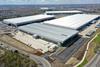
Often located on the edges of cities, retail parks play a central role in how people access essential goods and services. Their accessibility, scale, and adaptability make them well-suited to support daily life in urban areas.
With two decades of experience managing one of the largest retail park platforms across Belgium, Germany, Spain, and the UK – totalling around €5.5 billion in assets under management – Redevco has developed the insight and operational agility needed to respond effectively to these shifts.
Reimagining retail parks for modern urban life
Today’s parks are evolving into flexible, multi-use environments that serve as new town centres in suburban and peri-urban areas. They host a diverse mix of uses – from essential retail to healthcare, fitness, and community services – making them vital hubs for everyday life.
Retail parks also help decentralise retail infrastructure, easing pressure on congested city centres and improving access for outer urban populations. Their role in creating more balanced and inclusive urban systems is growing, as cities pursue liveability, mobility, and sustainability.
A prime example is Redevco’s Kaufpark Eiche in Germany – a hybrid shopping and experience centre serving a surrounding population of nearly 800,000. The site was redeveloped to include a new indoor mall and a broader tenant mix. Conveniently located with direct access to Marzahn, a high-density district within Berlin, the centre is also part of a wider urban regeneration effort, with a housing project of more than 400 units currently in the zoning phase. The transformation reflects how retail parks can adapt to changing consumer habits by combining essential retail with leisure and lifestyle services in accessible formats.
Investment appeal and resilience
Retail parks have proven to be one of the most resilient retail formats, particularly in volatile economic conditions. Anchored by essential, value-oriented tenants such as grocery shops, DIY chains, and discount operators, they continue to perform well even during downturns. Their open-air format, affordability, and long lease terms support stable income streams.
In 2024, yields in the sector were at their highest levels in seven years, offering a compelling entry point for investors. Retail parks also benefit from low service charges and integrated logistics, which reduce operating costs for tenants and enhance long-term cash flows for owners. These features make them particularly attractive to institutional investors seeking dependable, inflation-protected returns.
In my experience, the most effective retail park strategies are rooted in active asset management, careful valuation, and a strong foundation of research. These principles help assets stay aligned with changing market and user demands.
Logistics and omnichannel integration
Retail parks are well-positioned for logistics. Their proximity to major transport routes and ease of access make them ideal for last-mile delivery and omnichannel retailing. As retailers blend physical and digital channels, retail parks offer the space and infrastructure to enable this shift.
Their layouts support efficient goods handling, micro-distribution, and click-and-collect services. In a landscape where urban densification is concentrating consumers, amenities, and infrastructure, out-of-town parks are perfectly placed to meet the growth of convenience, online retail, and last-mile delivery.
Tenant engineering and placemaking are critical tools in the evolution of retail parks. By adjusting tenant mix, introducing complementary uses, and improving site layout and accessibility, retail parks can better respond to changing consumer behaviours and logistical demands.
Read the full ‘Thought Leadership’ article at the link below
Supporting documents
Click link to download and view these filesRetail parks and urbanisation: investing in the future of cities
PDF, Size 74.52 kb