Outlooks – Page 41
-
 White papers
Liquid Alternatives — Why Now?
2022 left investors scrambling to preserve capital and find alternative sources of return. Both equities and bonds across the globe suffered in the high inflation and rising interest rate environment. The S&P 500 Index ended the year at -18.1%, the MSCI EAFE Index ended at -14.5%, and the Bloomberg Aggregate Bond (US Agg) Index ended at -13.0%.
-
 White papers
A global assessment of the implications of recent banking sector developments
”Due to tightening financial conditions, we expect a weaker US economic outlook, and a less aggressive Fed: a small increase in rates is still on the cards and then a pause.”
-
 White papers
ECB increases rates: the job on inflation is not done yet, but expect a softer path
The European Central Bank raised its key policy interest rates by half a percentage point, lifting the deposit rate to 3.0%. However, it did not commit to future rate hikes, Lagarde stated that “it’s not possible to determine at this point in time the future path for rates”. ...
-
 White papers
At the Crossroads, Seeking Direction
Faced with historically inverted yield curves, unbalanced equity markets and economic conditions unseen for 40 years, investors are agonizing over their next steps.
-
 White papers
Silicon Valley Bank: Market Reaction and Implications
Facing pressure from declining deposits and a loss on the sale of securities in its portfolio, SVB attempted last week to raise capital to mitigate a Moody’s rating downgrade on Wednesday. However, it was unable to complete the capital raise before markets opened on Thursday, which resulted in a precipitous drop in its stock price that day.
-
 White papers
Tapping the Evolution in Alternative Return Streams
Institutional investors’ thinking about risk allocation has been dominated for some time by traditional beta sources, mainly long exposure to equities and bonds. The market regime provided little reason for radical change. After all, for two decades, stock and bond returns were negatively correlated, enabling 60/40 equity/bond mixes to deliver both a risk-balanced allocation framework and attractive returns.
-
 White papers
Fed in a Pickle: Fight Inflation OR Fuel a Banking Crisis?
Following SVB’s collapse and related events, the Fed is stuck between a rock and a hard place: Inflation is too high, but cracks are starting in the financial system. How did we get here? What are the Fed’s options?
-
 White papers
2023: The year of green, social and sustainability bonds? Three reasons to be optimistic
2022 was a very challenging year for the bond market and sustainable bonds were no exception. Yet, there are reasons to remain optimistic about the asset class; the green bond market showed resilience and offered interesting investment opportunities which continued to drive investor appetite despite the high volatility.
-
 White papers
European banking sector set to withstand Credit Suisse fragility
”The Credit Suisse turmoil appears to be driven by a crisis of confidence, with markets putting banks under scrutiny following the SVB failure.”
-
 White papers
Further concerns, or contagion? The latest on global market volatility
Over the past week, investors have had to digest U.S. banking failures and the threatened collapse of a major European bank. This stress has finally underscored the tensions between global central banks’ efforts to tame inflation and growing concerns that further policy tightening will spark a crisis. As we all follow the latest developments, it’s important to consider each of them in context.
-
 White papers
One Bad Apple? Or More to Come?
Several of Allspring’s equity portfolio managers voice their views on the state of the U.S. banking industry in the aftermath of Silicon Valley Bank’s collapse.
-
 White papers
Ramping up the US-China chip rivalry: Who will suffer the most?
In another turn of the screw in its ban on tech and chip exports to China, the US is proposing to block direct company investment in advanced tech areas such as artificial intelligence, 5G wireless and quantum computing. How much China suffers will depend on whether the country has enough knowledge to sustain its own development of advanced tech. There is evidence that it has.
-
 White papers
No systemic risk from SVB failure, but watch out for areas of vulnerability
Silicon Valley Bank (SVB), a commercial bank that specialises in serving start-ups in Silicon Valley, has been shut down by regulators.
-
 White papers
Crisis Management: Investment Analytics Update
The Investment Analytics team provides ongoing analytics and investment risk oversight for client portfolios. This note discusses the team’s rapid response to the failures of Silicon Valley Bank and Signature Bank.
-
 White papers
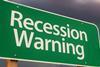
Jittery markets fear return of bigger rate rises
Markets have begun to price in a 50bps rate rise by the Fed in March but are awaiting key economic data which will reveal if the US economy has started to slow.
-
 White papers
ESG Viewpoint: The challenges of realising zero-carbon cement
Can cement emissions be curbed, while still allowing for crucial infrastructure growth?
-
 White papers
From Traditional to Sustainable Growth
This article is a 360-degree analysis of the growth investment concept. Academics generally circumscribed it to a mere anti-value status. We show that growth-oriented stocks not only present the characteristic of being expensive and over-priced.
-
 White papers
Are Cheap Burgers in Emerging Markets a Good Sign for Investors?
Investors in emerging markets (EM) have endured a decade of poor performance. But things may be changing. Based on The Economist magazine’s data comparing hamburger prices across countries, many EM currencies look cheap today—as they did 20 years ago before an extended rally of EM stocks and bonds.
-
 White papers
Nearshoring opportunities brighten Mexico’s outlook
As companies look to relocate business operations closer to home, Mexico’s close proximity to the US suggest the central American country will benefit significantly from this shift.
-
 White papers
European equities are favoured in a fragile earnings outlook
“The greater resilience of profits enabled the European market to remain cheaper than the US one.”