
All Agriculture articles – Page 4
-
 White papers
Cross Asset Investment Strategy - April 2022
The first month of the Russia-Ukraine war has driven volatility up across the board, though with some recent signs of stabilisation in equity markets. Europe is the area most exposed to the war – in particular, through the effects of higher energy prices, supply chain disruptions, and geographic proximity, but the commodity squeeze goes far beyond energy to include agricultural commodities and metals.
-
 White papers
War & Pestilence
Military and economic responses to Russia’s war in Ukraine remain at the top of the watch list, as disruptions in energy and agriculture flows add to inflation pressures and worries about growth.
-
 White papers
Global Investment Views - April 2022
The first month of the Russia-Ukraine war has driven volatility up across the board, though with some recent signs of stabilisation in equity markets. Europe is the area most exposed to the war – in particular, through the effects of higher energy prices, supply chain disruptions, and geographic proximity, but the commodity squeeze goes far beyond energy to include agricultural commodities and metals.
-
 White papers
A Time to Tighten
The military and economic responses to Russia’s war in Ukraine continue to garner attention, as ongoing disruptions in oil and agriculture flows will add to inflation pressures in much of the world.
-
 White papers
Seven Predictions Amid the Rising Unpredictability
As the Ukraine War spirals toward broader geopolitical conflict, some elements of the outlook are already coming into view.
-
 White papers
A measured approach to volatile markets
Despite the uncertainty caused by the conflict in Ukraine, markets are still trading in an orderly, albeit volatile, manner with support and tentative buying at cheaper levels.
-
 Research Report
AEW Monthly Research Report – February 2022
Land take regulations to drive land prices, density & Brownfield developments up.
-
 White papers
Months When Decades Happen
Europe enters this dangerous period on solid footing. Unemployment is at record lows. Wage growth remains subdued. Russia’s war in Ukraine adds a strong inflation headwind to the ongoing expansion.
-
 White papers
Weight to the Plate: Tracking EM Food Inflation
Rising food prices have added more pressure to headline inflation in emerging markets (EM), increasing steadily throughout 2021. As a result, central banks there have not had the leeway to wait to tighten policy the way the Federal Reserve and the European Central Bank have.
-
 Podcast
Biodiversity: Episode 4
There are a growing number of challenges that agriculture is facing, in part due to the increased demand for food as a result of a growing population and changing diets.
-
 Podcast
Investment Symposium Series – “Health for people equals health for the planet”
A more planet-friendly diet can help both address biodiversity loss and improve people’s health, highlighting the harmful impact of food production, consumption and waste on our ecosystem. To help contain the rise in global temperatures, and preserve human wellbeing, enhance food security and wider stability, an agricultural revolution is needed.
-
 White papers
Green News & Views: Sustaining rural communities and natural resources with Leading Harvest
Investors increasingly expect assurance that their capital will not only generate sustainable financial returns, but also contribute to a more sustainable world. Stakeholder interest in sustainable agriculture is growing rapidly with increasing attention to how agricultural systems affect and interact with the environment and society.
-
 White papers
Why food waste is a moving target in the climate change fight
Many societies have become relatively comfortable with the idea of just-in-time supply chains that funnel goods to them day in, day out. Less palatable would be just-enough food production and distribution. Individuals have become used to the appearance of plenty – and as supply chain wobbles in 2021 showed, the public spooks easily at the sight of empty supermarket shelves.
-
 White papers
Working for a just food system
In the fourth article in our EOS Insights series on the social and environmental impacts of the global food system, Emily DeMasi looks at labour practices and human rights risks.
-
 White papers
Investment Symposium Series – Biodiversity, food and health: The crucial pieces of the 1.5°C jigsaw
Boosting investment in restoring Earth’s biodiverse natural capital, so as to transition urgently towards a healthy, sustainable food future as well as keeping global warming to 1.5°C, is absolutely critical.
-
 White papers
Five reasons to invest in timberland
Capital allocation across industries is competitive and, like all alternative asset classes, timberland must earn its position in an institutional portfolio. The case for investing in timberland rests on five principles.
-
 White papers
Why farmland now? A store of value during economic uncertainty and inflationary periods
The current financial environment highlights that now more than ever is an attractive time for investors to diversify their portfolios into safe haven assets that protect against uncertainty and inflation.
-
 White papers
Food for Thought: The Soy Journey from East to West
When most people think about soybeans, their first thought is probably of food. After all, this tiny bean has grown to become one of the top ten most valuable agricultural products in the world. Sweet, sour, salty, bitter and umami – this oilseed is the foundation for thousands of dishes and central to many Asian cuisines today.
-
 White papers
In search of an ESG standard in a sea of ESG ‘standards’
International Financial Reporting Standards (IFRS) and US Generally Accepted Accounting Principles (GAAP) have given us the tools to compare and evaluate revenue streams from vastly different sectors and industries.
-
 White papers
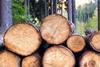
Explaining the disconnect between lumber and timber prices
Pundits are wondering “Lumber prices are soaring. Why are timber owners miserable?” They declare “Lumber prices soar, but logs are still dirt cheap” Indeed, lumber prices reached record highs at levels perhaps four times what were previously thought to be “trend” prices.


