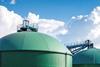
Biomethane is rapidly emerging as a cornerstone of Europe’s energy transition—offering a rare convergence of climate alignment, energy sovereignty, waste management, and economic resilience. In a geopolitical context shaped by the Russia–Ukraine war, volatile fossil gas markets, and the European Union’s 2040 climate targets, biomethane presents a unique infrastructure-ready solution. Produced from organic waste streams such as agricultural residues and animal effluents, it is chemically identical to fossil gas and compatible with existing infrastructure—making it deployable at scale without costly retrofits.
For investors, biomethane represents a compelling asset class: it aligns with decarbonization mandates, benefits from diversified revenue streams, and is increasingly supported by market-based policy mechanisms such as Germany’s GHG quota system. Beyond its role as a renewable fuel, biomethane unlocks additional value through by-products like digestate and captured CO₂, which can be monetized in agriculture and industrial applications.
Crucially, biomethane is not just a climate-aligned energy source—it is also a scalable solution to systemic waste and environmental challenges. Anaerobic digestion facilities serve as essential infrastructure for managing biowaste, reducing nitrate pollution, and supporting nutrient recovery flows.
In sectors where fossil gas is used not just for combustion but as a chemical feedstock—such as fertilizer production—biomethane offers a potential replacement that avoids costly retrofits. Unlike fossil gas, whose prices fluctuate with geopolitical shocks, biomethane’s LCOE has remained relatively stable. Producers can secure predictable cashflows through long-term agreements such as Biomethane Purchase Agreements (BPAs), feed-in tariffs, and fixed price contracts such as take or pay.
You can now read the full whitepaper at the link below