
In summary
Supporting documents
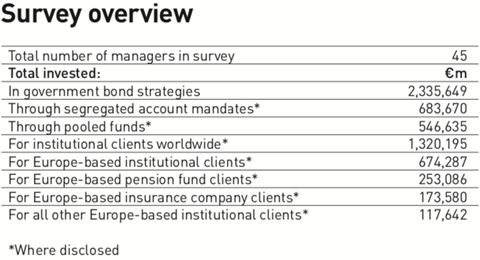
Click link to download and view these filesIPE survey - Managers of government bonds 2018
PDF, Size 0.7 mb

Government bond yields across major developed economies have risen to levels not seen in years. The move has been accompanied by increased volatility, as markets have become more sensitive to macroeconomic data and policy expectations. US 10-year yields reached their highest level since 2002 before easing, as oil prices fell and following a well-received bond auction.

For insurance investors, bond yields play a defining role in long-term planning, with the effects of their levels and movements rippling across balance sheets. Liabilities may move inversely to asset values, and today’s investment decisions have implications far into the future. That makes bond yields critical variables for prudent insurance investors. There are also insights in the “why” behind higher rates.

Market volatility has increased in recent weeks, particularly in bond markets. The MOVE index, a measure of expected volatility in US Treasuries, has been rising significantly, decoupling from the VIX equity volatility indicator in an unusual move. This is significantly different from the March volatility spike that affected both markets at the start of the Iran war.


Copyright © 1997–2026 IPE International Publishers Limited, Registered in England, Reg No. 3233596, VAT No. 685 1784 92. Registered Office: 1 Kentish Buildings, 125 Borough High Street, London SE1 1NP

Site powered by Webvision Cloud