
In summary
Supporting documents
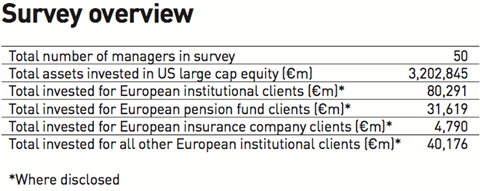
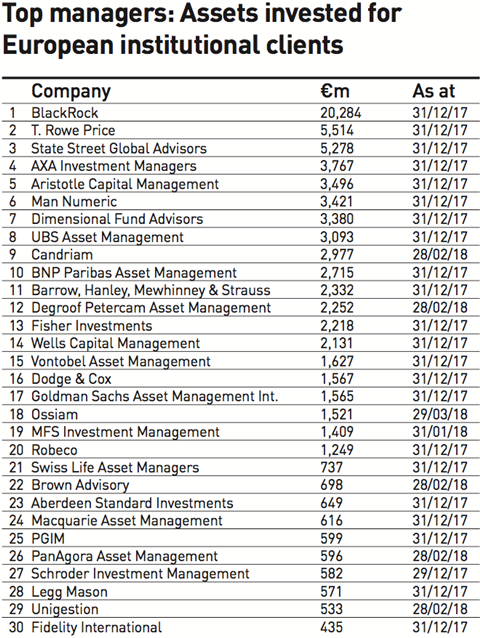
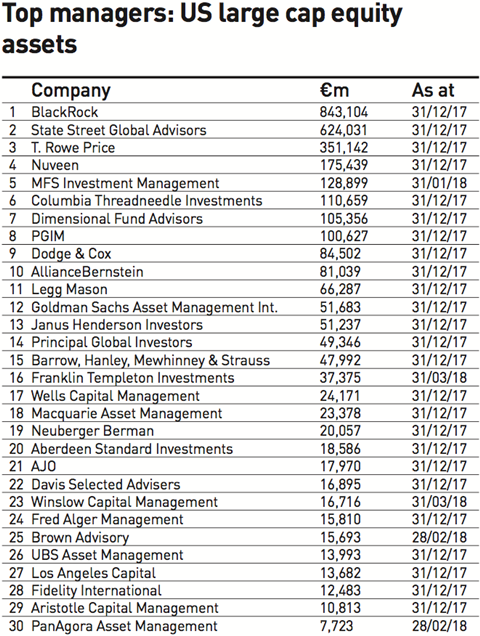
Click link to download and view these filesIPE Survey - US large cap equity managers 2018
PDF, Size 0.16 mb

If you had told me a year ago that the United States would be waging an intractable war in the Middle East, oil prices would rise to more than $100 a barrel, interest rates would be moving sharply higher, and inflation would be running well above 3%, my forecast for the US economy would have been gloomy to say the least.
Adam Hines to join Laura Hines-Pierce as Co-CEO; David Steinbach named President; Alfonso Munk named Global CIO

Few investors would naturally put artificial intelligence data centers and US shale oil in the same frame. One is built on advanced semiconductors and software; the other on rock, steel and drilling rigs. But the economic pattern is familiar. A breakthrough changes what is possible, demand outruns supply, attractive profit pools emerge and capital floods in. Then capacity expands, costs fall and competition tests which businesses have durable advantages.


Copyright © 1997–2026 IPE International Publishers Limited, Registered in England, Reg No. 3233596, VAT No. 685 1784 92. Registered Office: 1 Kentish Buildings, 125 Borough High Street, London SE1 1NP

Site powered by Webvision Cloud